Botanical Memory
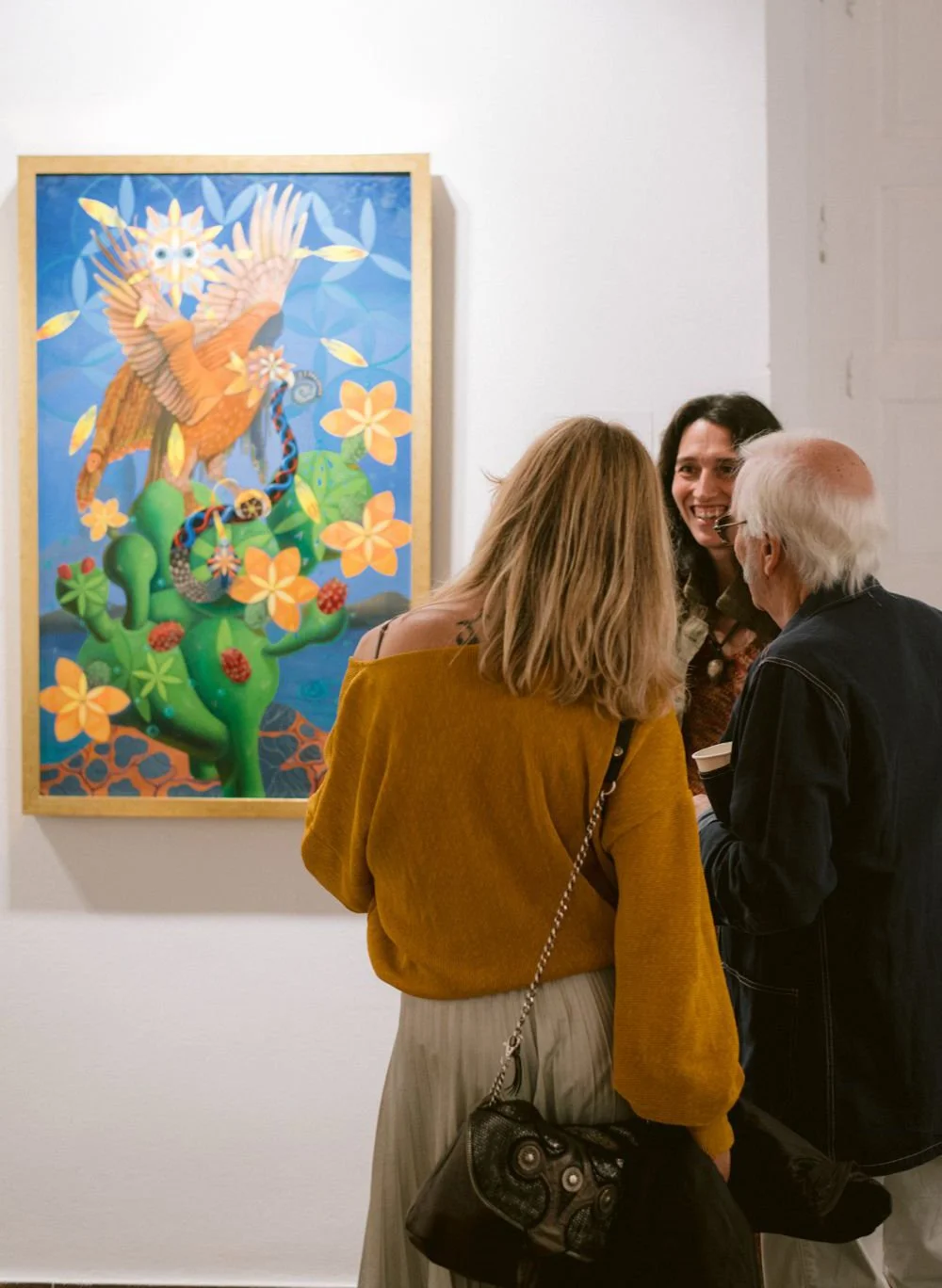
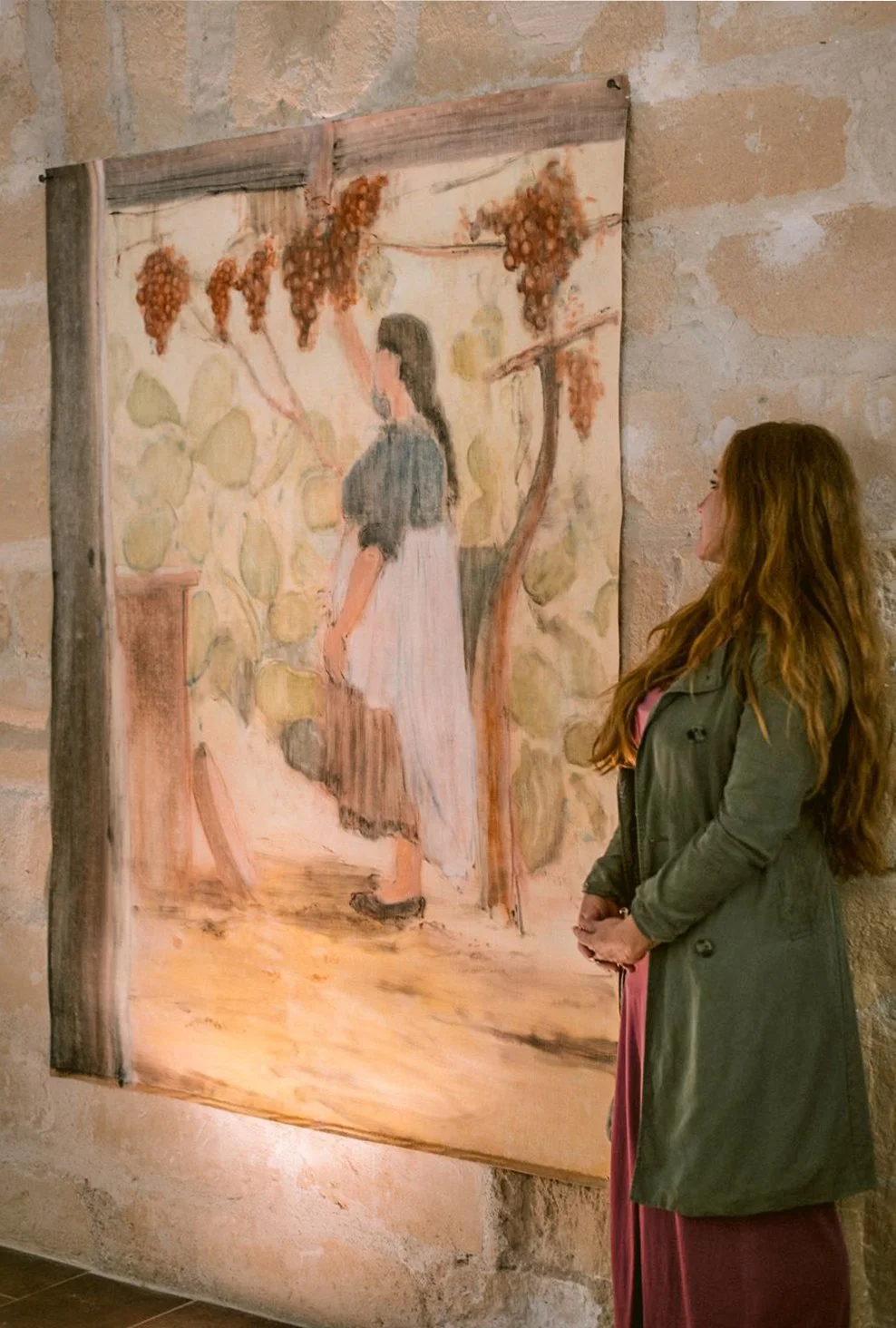
Paintings created mostly with cochineal harvested during the care of the cactus. A few citric drops, vinegar, gum arabic, and sea salt on cotton acid-free paper. 2022-24
Our Botanical Memory describes a form of environmental or place memory, focused on the memories and the emotional connection we have to plants we have lived with. Prickly pear cactus has been part of my landscape memory since childhood, and some years ago I began to observe how in many areas of the Mediterranean the majority of the Opuntia Ficus-indica, are dying or are in poor condition. As a painter, upon learning that the plague was a cochineal, that produced dye, I began to express, from the sadness this produced in me, the plant's struggle for survival. Tones and strokes that also express the resilience of the plant with the colors that appear when I cleaned it from the parasite.
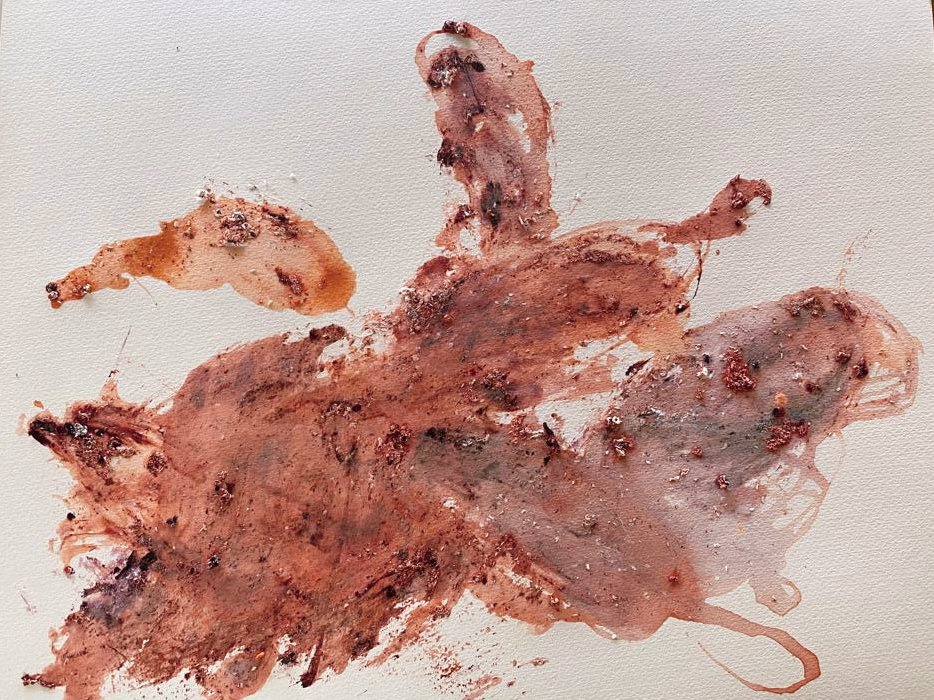
Botanical Memory II. 41 x 32 cm

Botanical Memory III. 32 x 41 cm
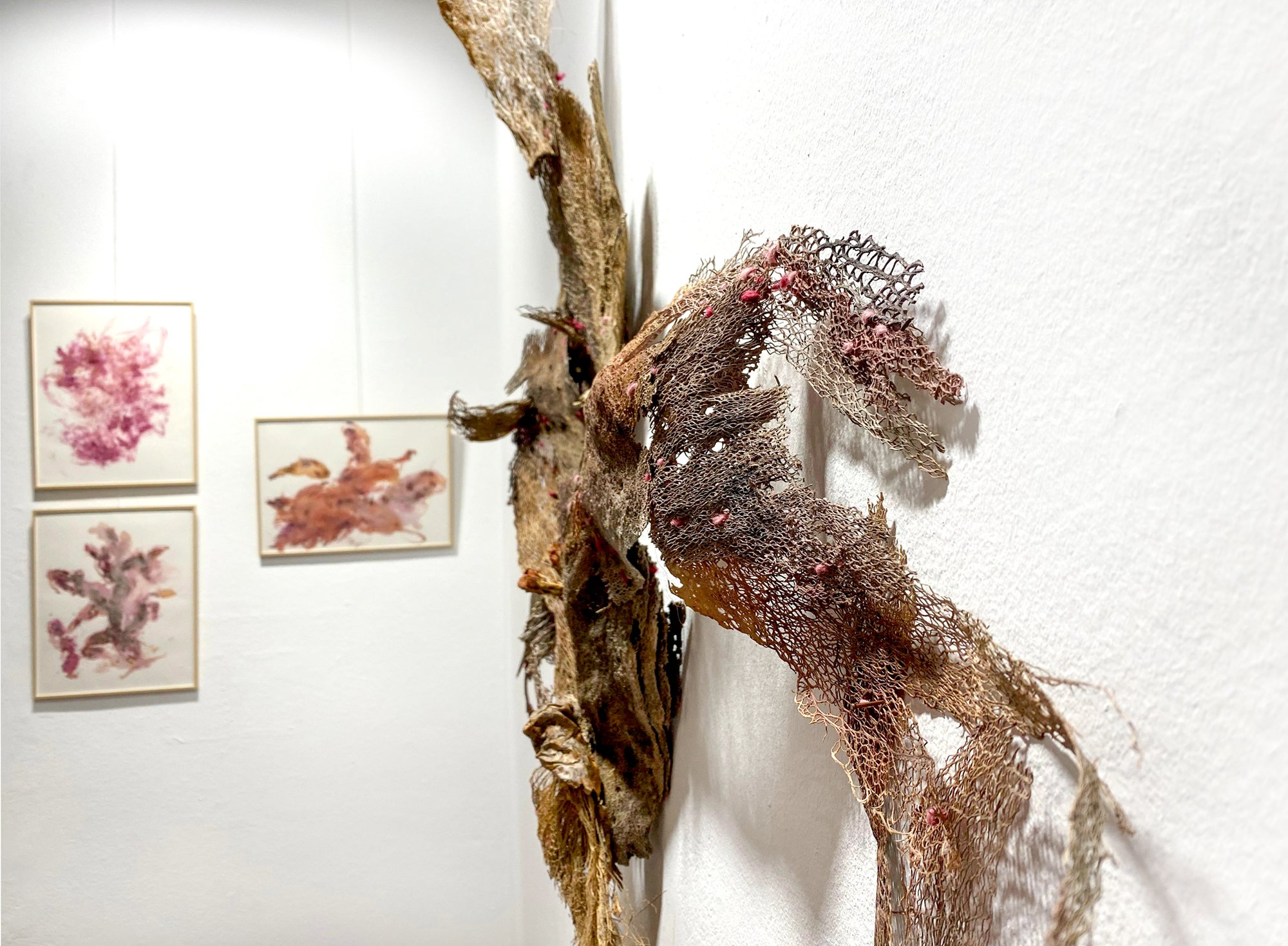
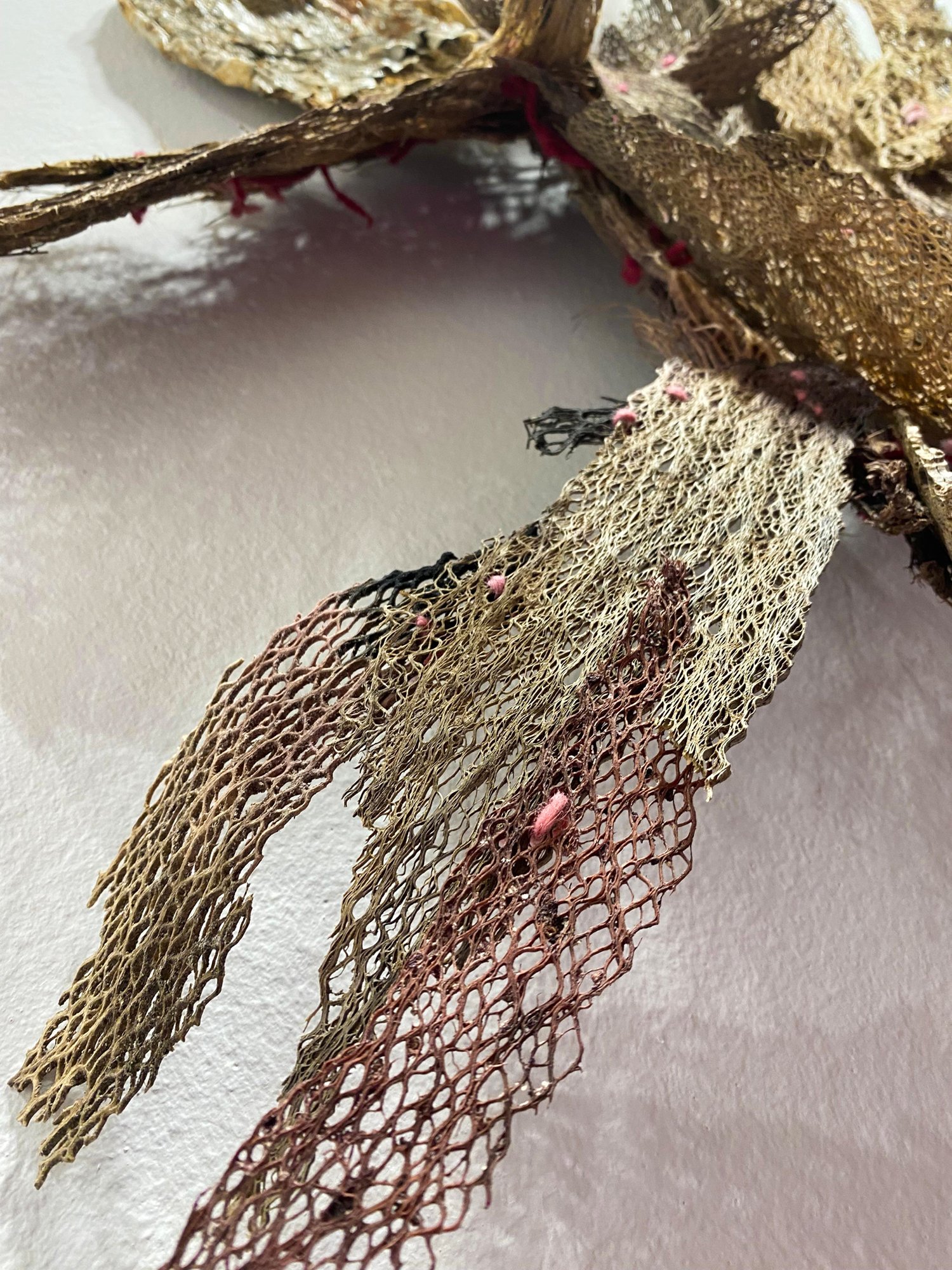
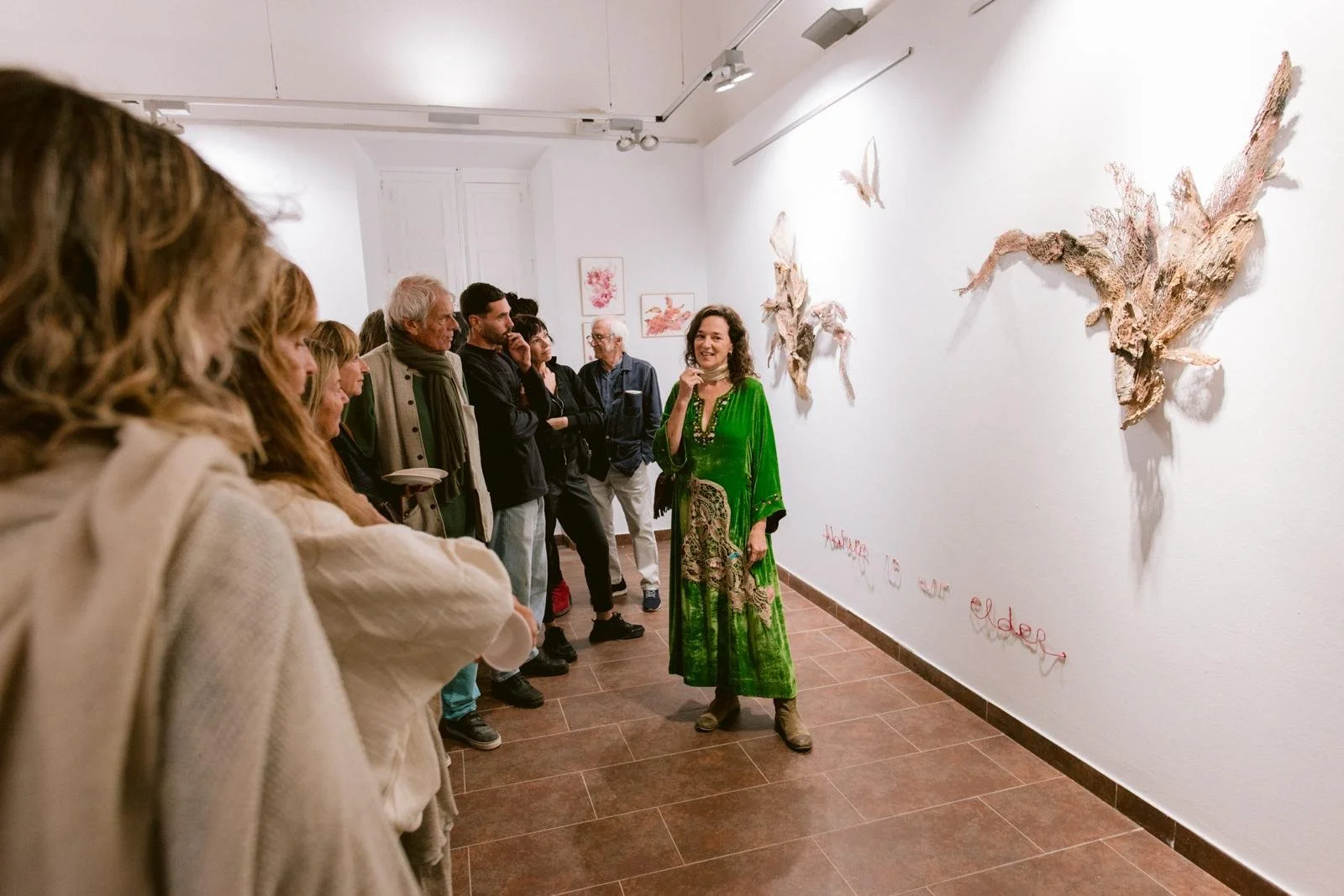
Nature is an elder
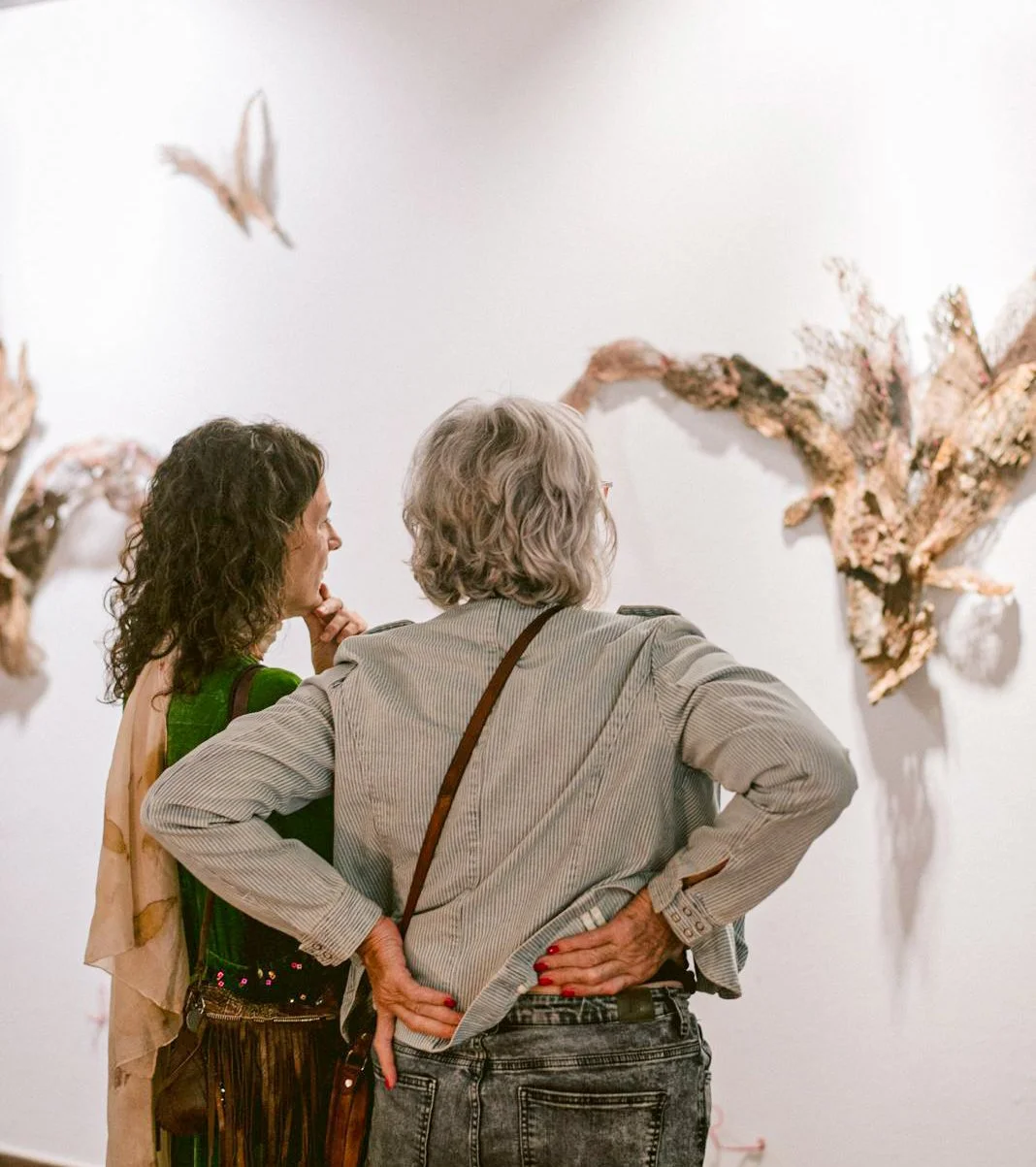
Site-specific installation of prickly pear cactus internal reticulated structures, some dyed with cochineal, like wool they are sewn together with. 2025
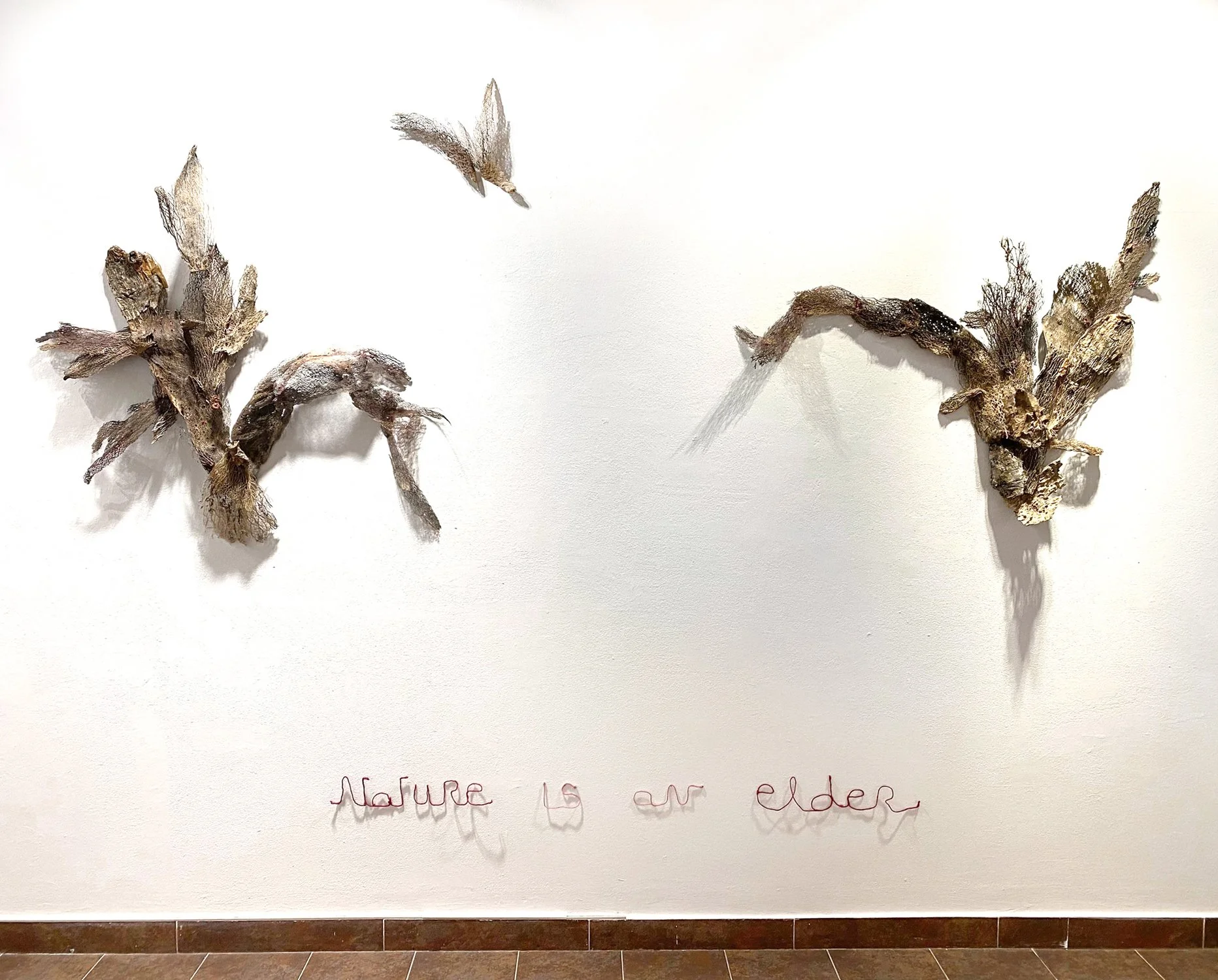
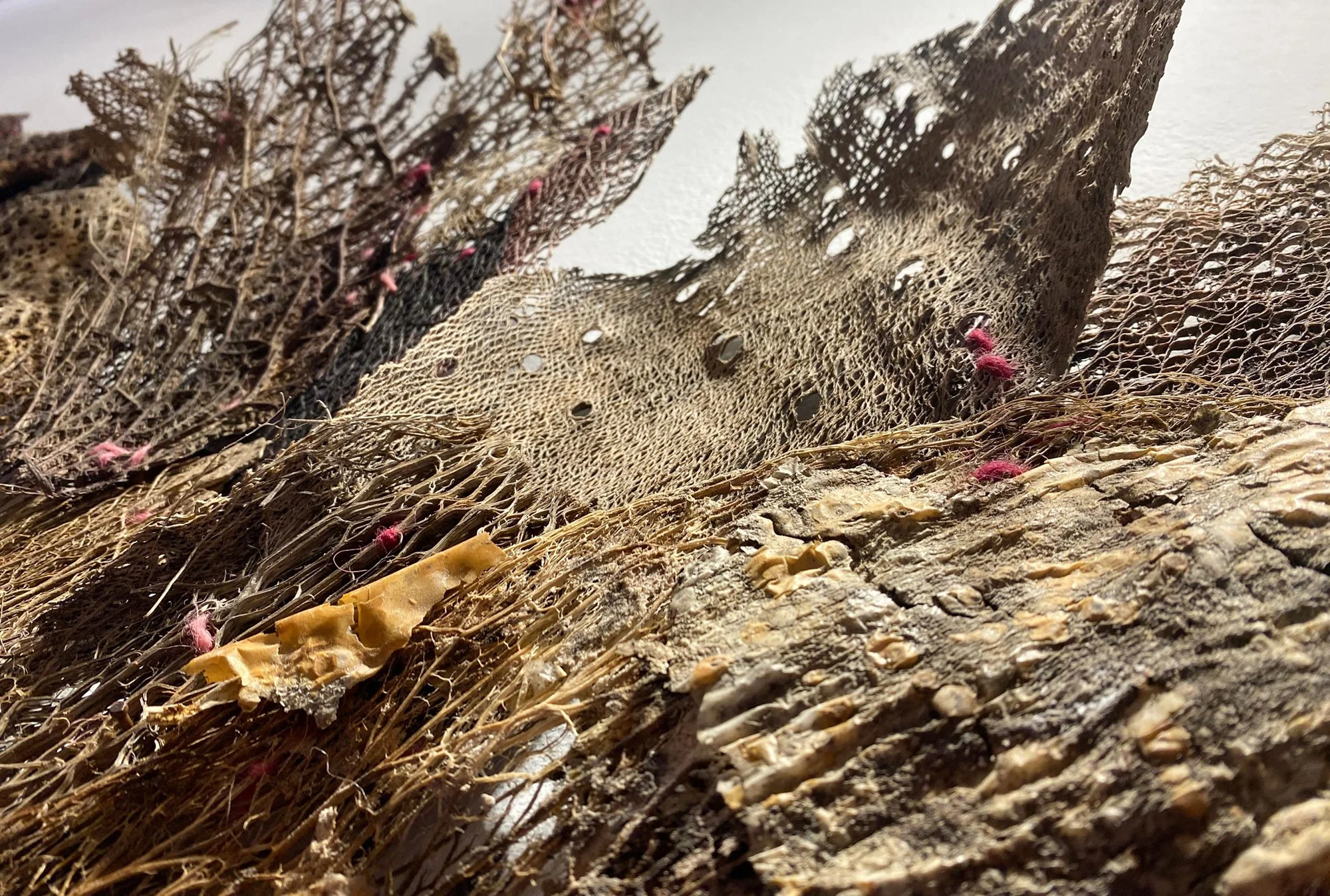
Non-human life like plants, fungi, animals, rivers, mountains are our ‘elders’. They have existed for thousands of years before our species, developing strategies and adapting to the environment in order to survive.
The Prickly Pear cactus (called Nopal in origin) also participates of this ancient wisdom. Through biomimicry, we can learn about its important capacities, such as the accumulation of moisture from the environment and the sharing of it through its roots. It’s time to expand our scientific knowledge by complementing it with the ancestral wisdom of indigenous peoples, who have known how to care for, and use this prodigious plant in many sustainable ways for millennia.
By caring for them, we care for ourselves.

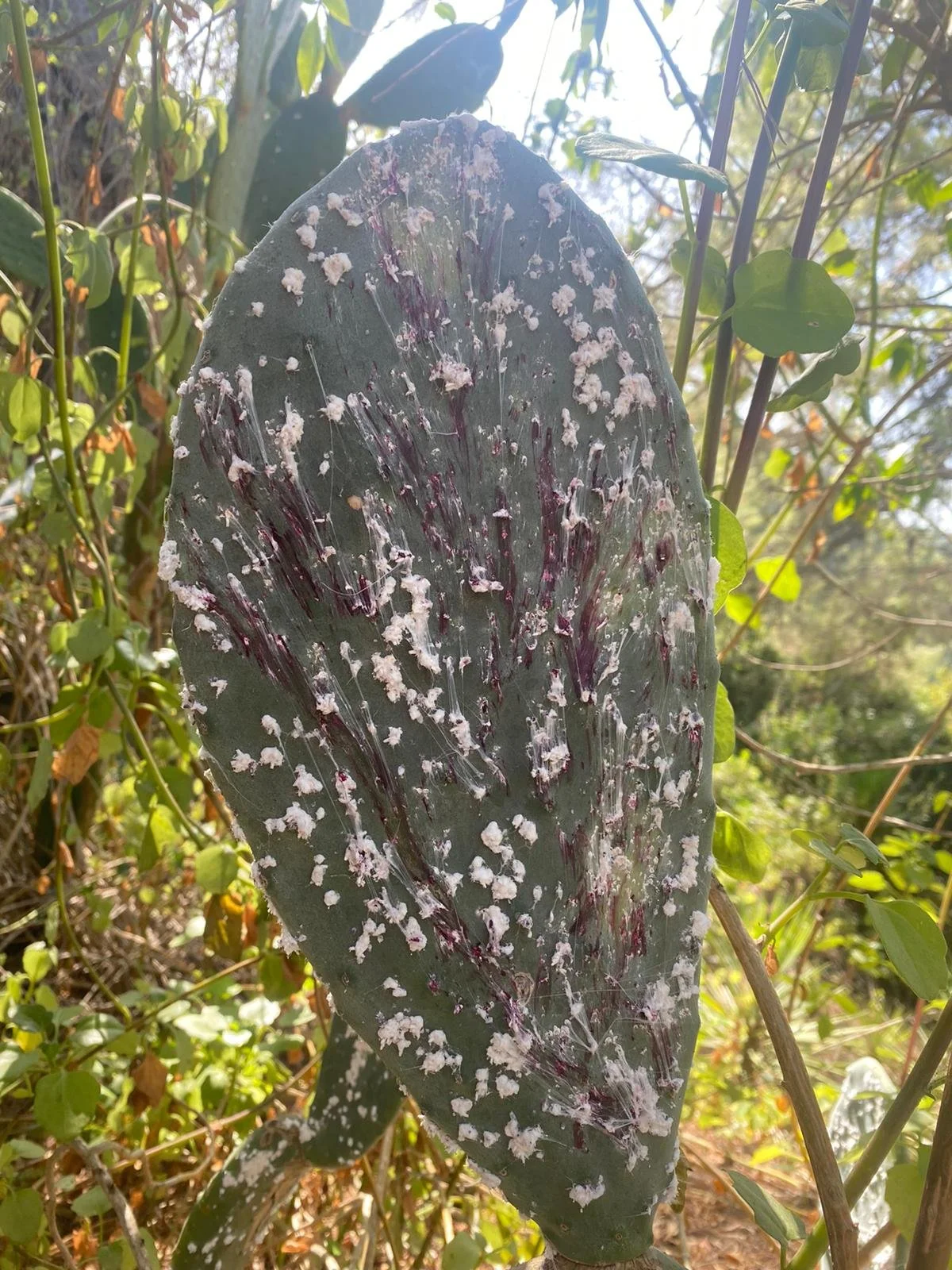
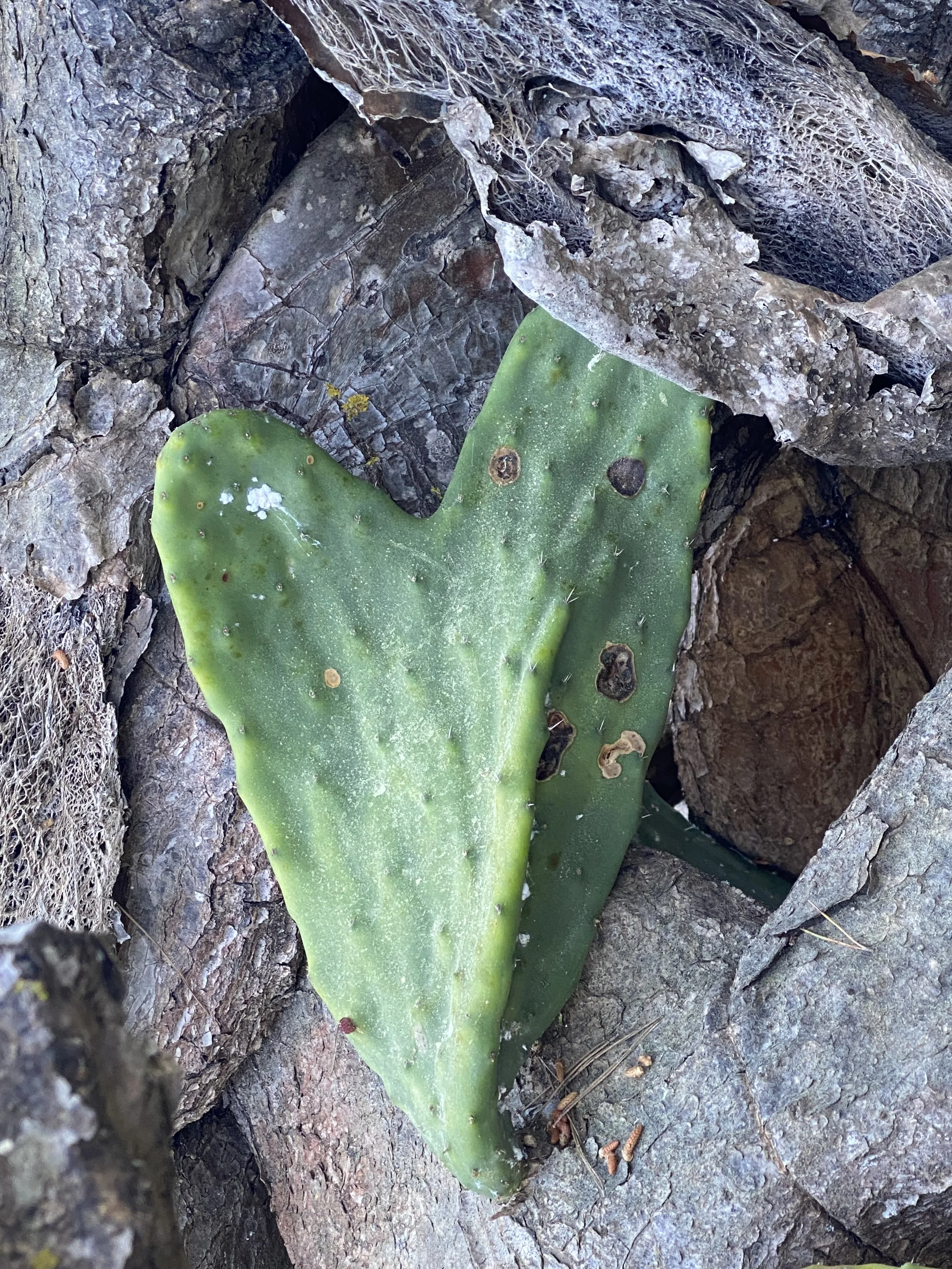
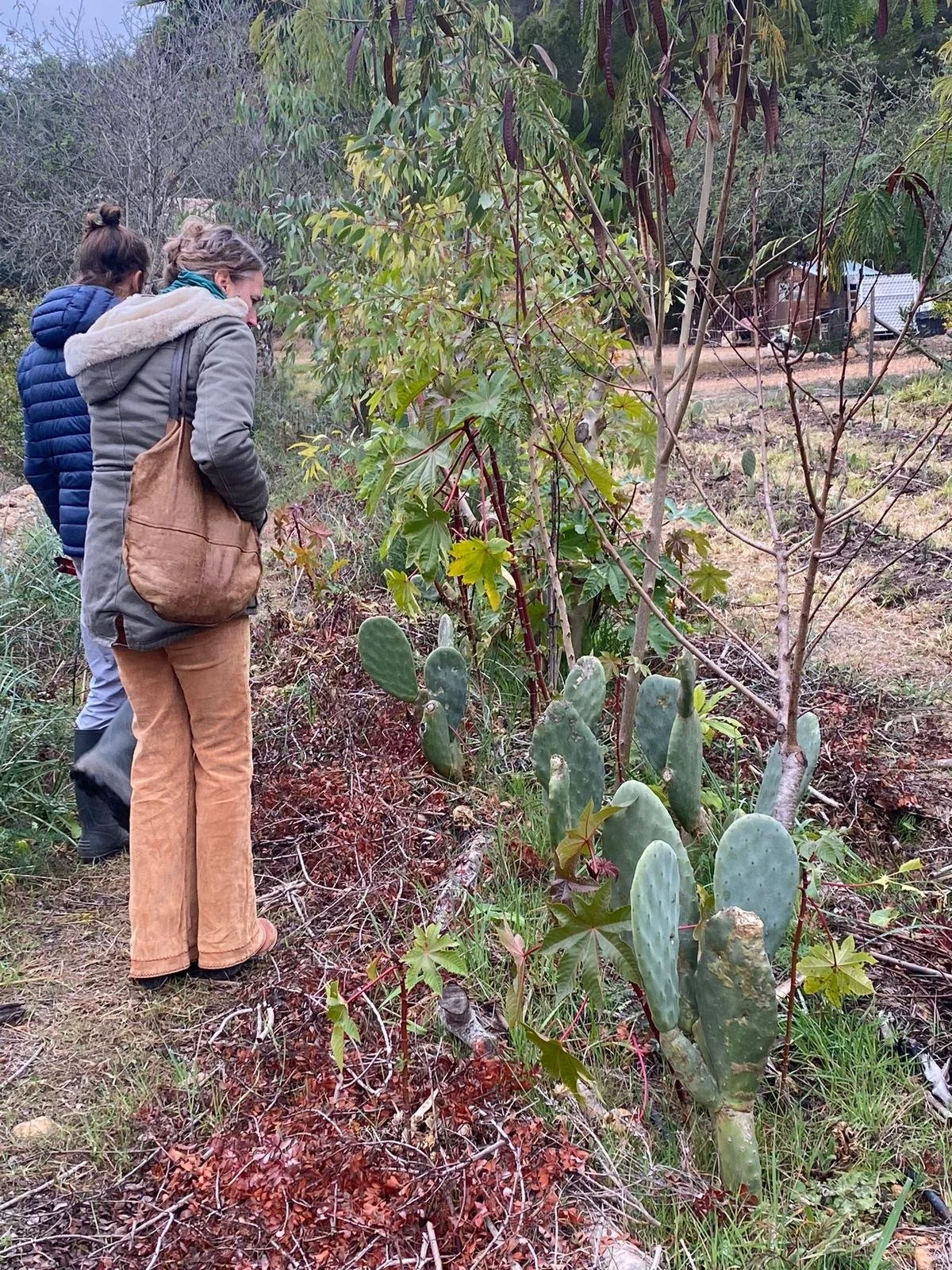


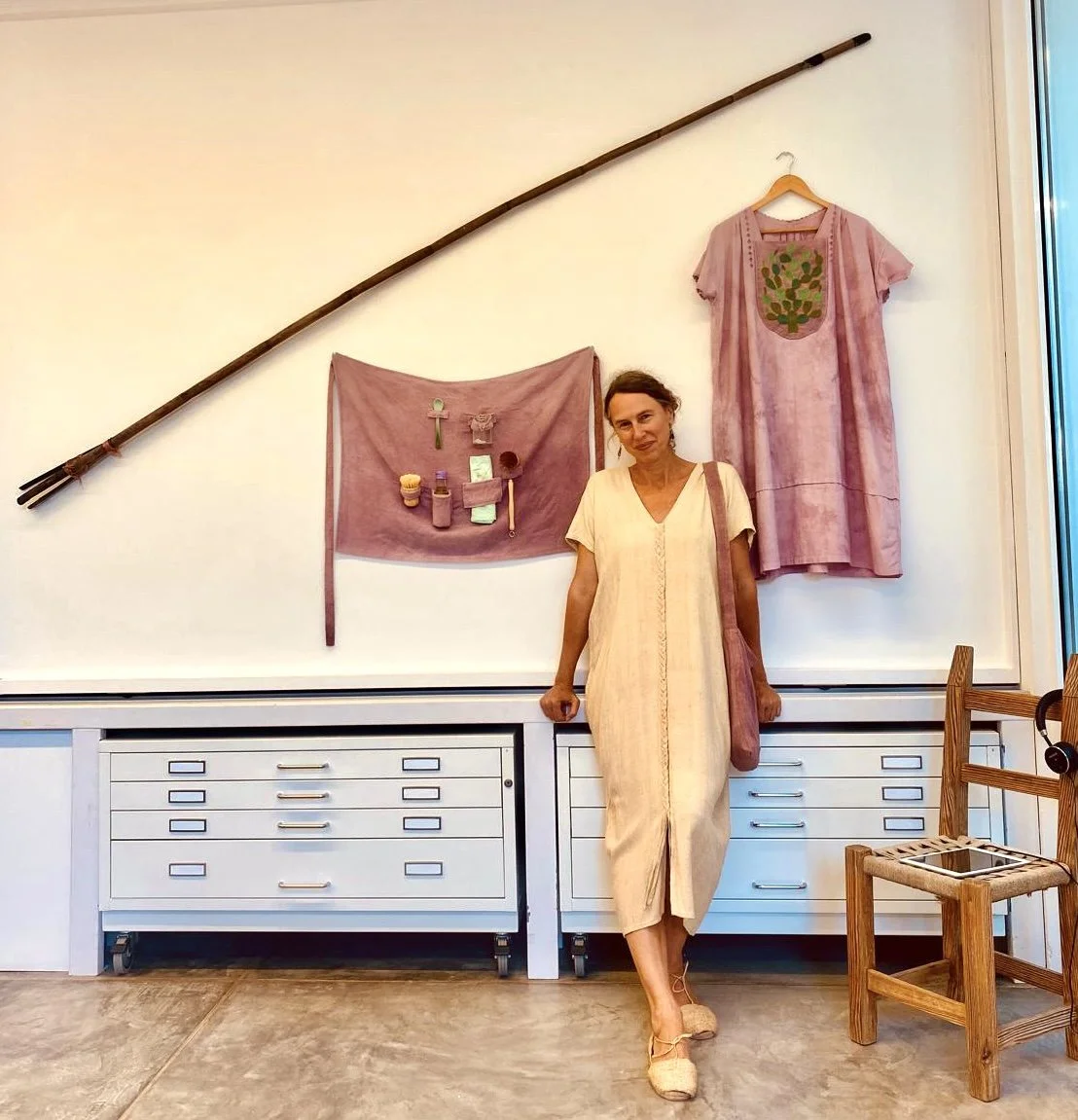

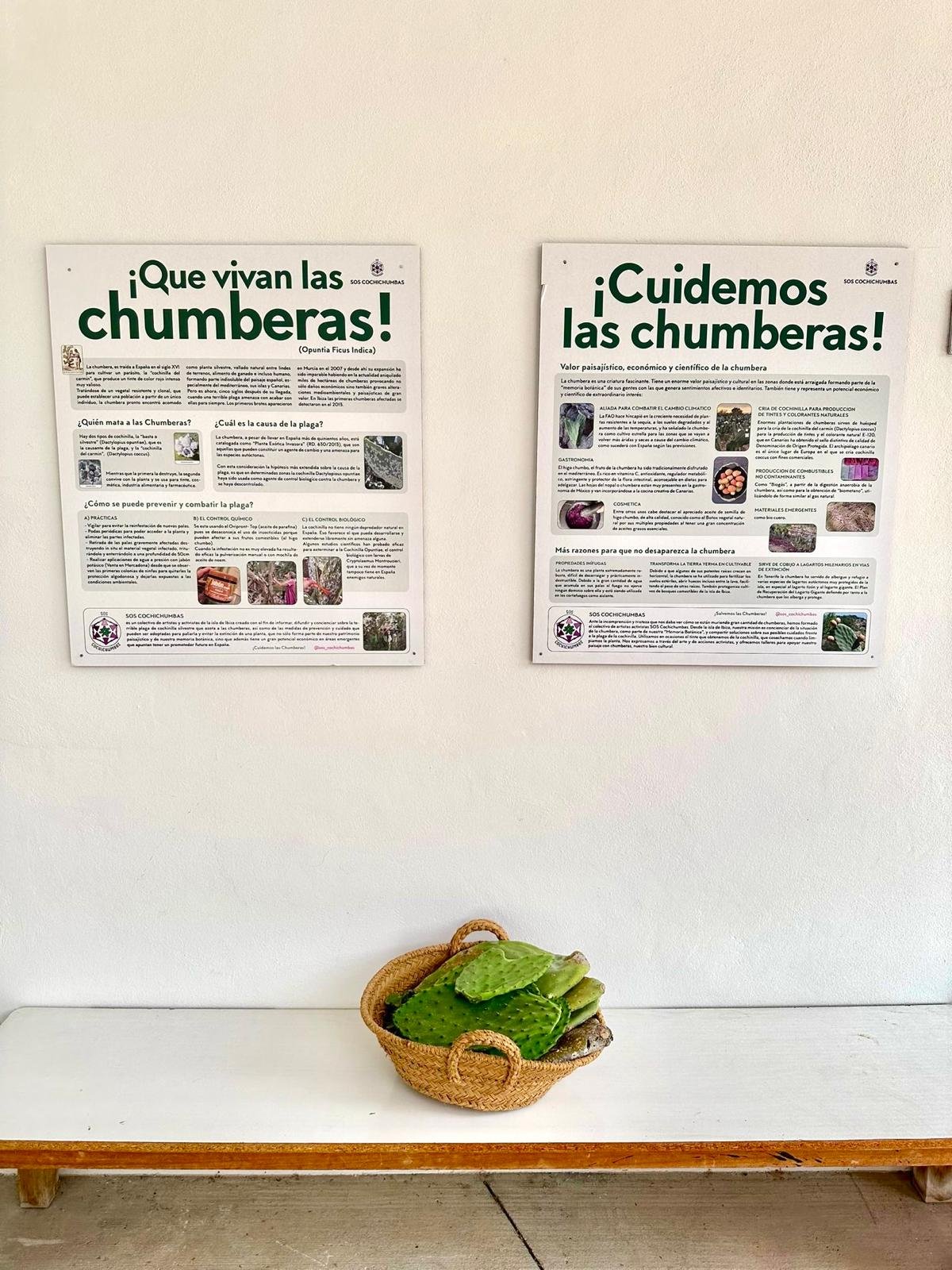


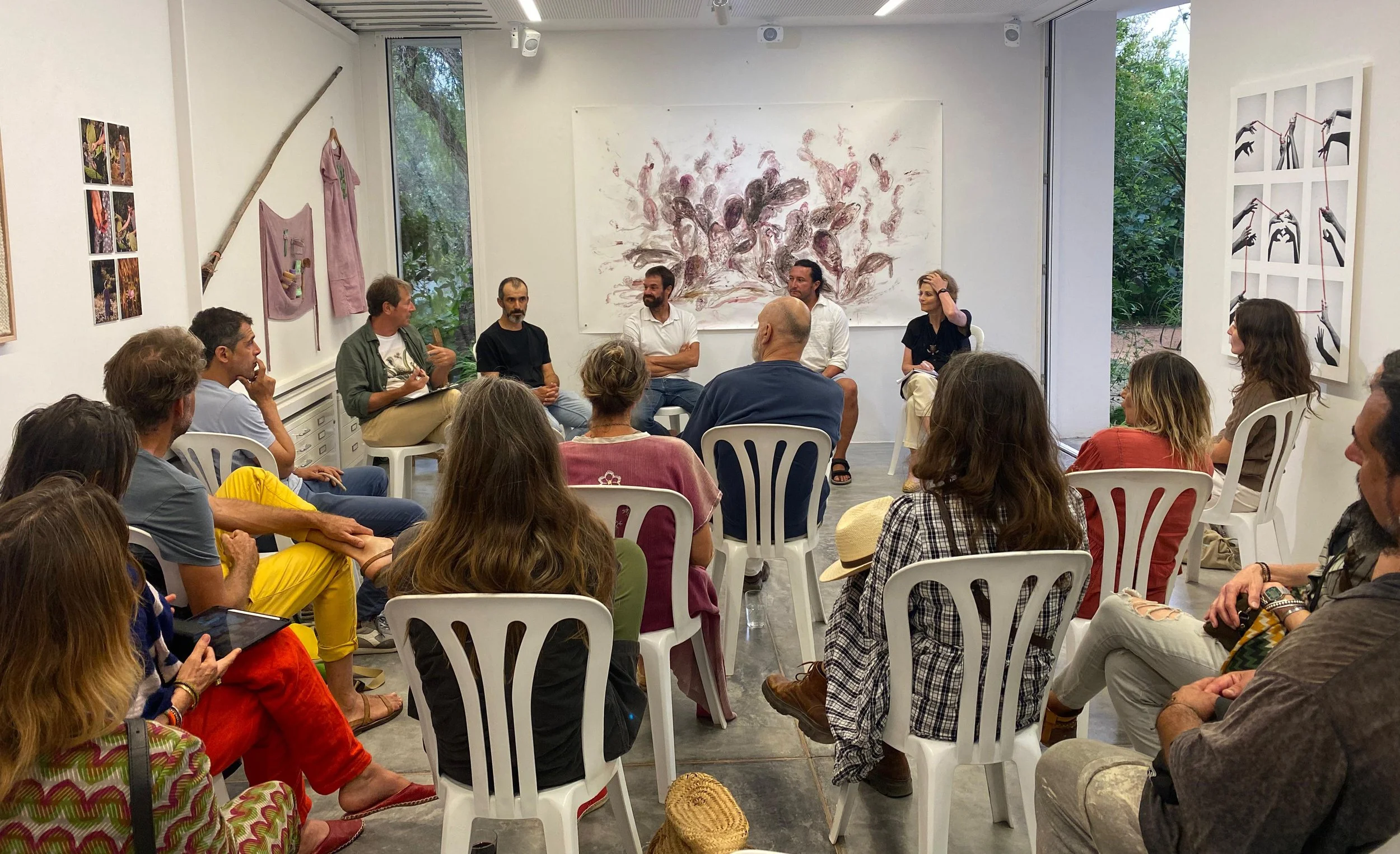

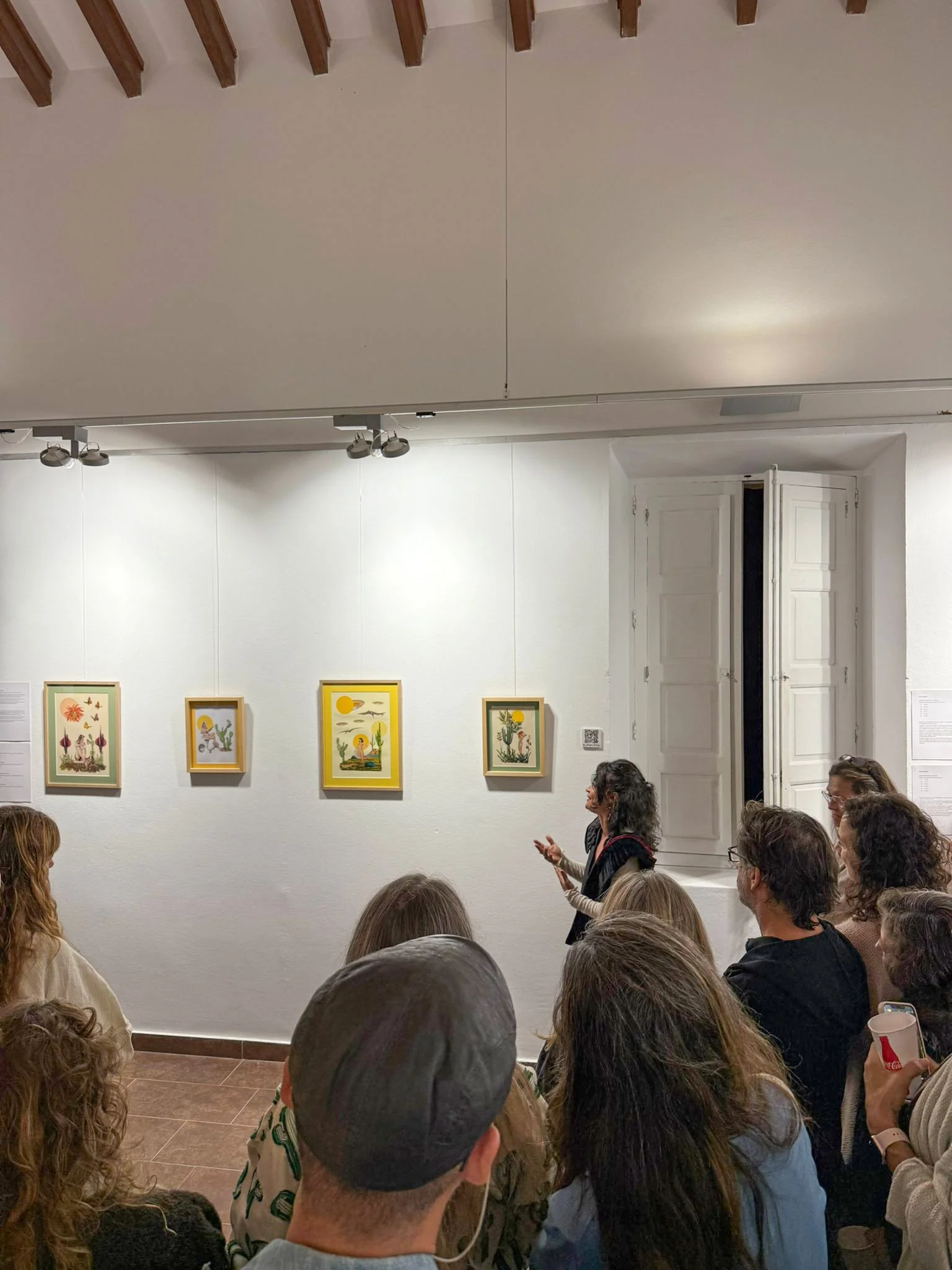
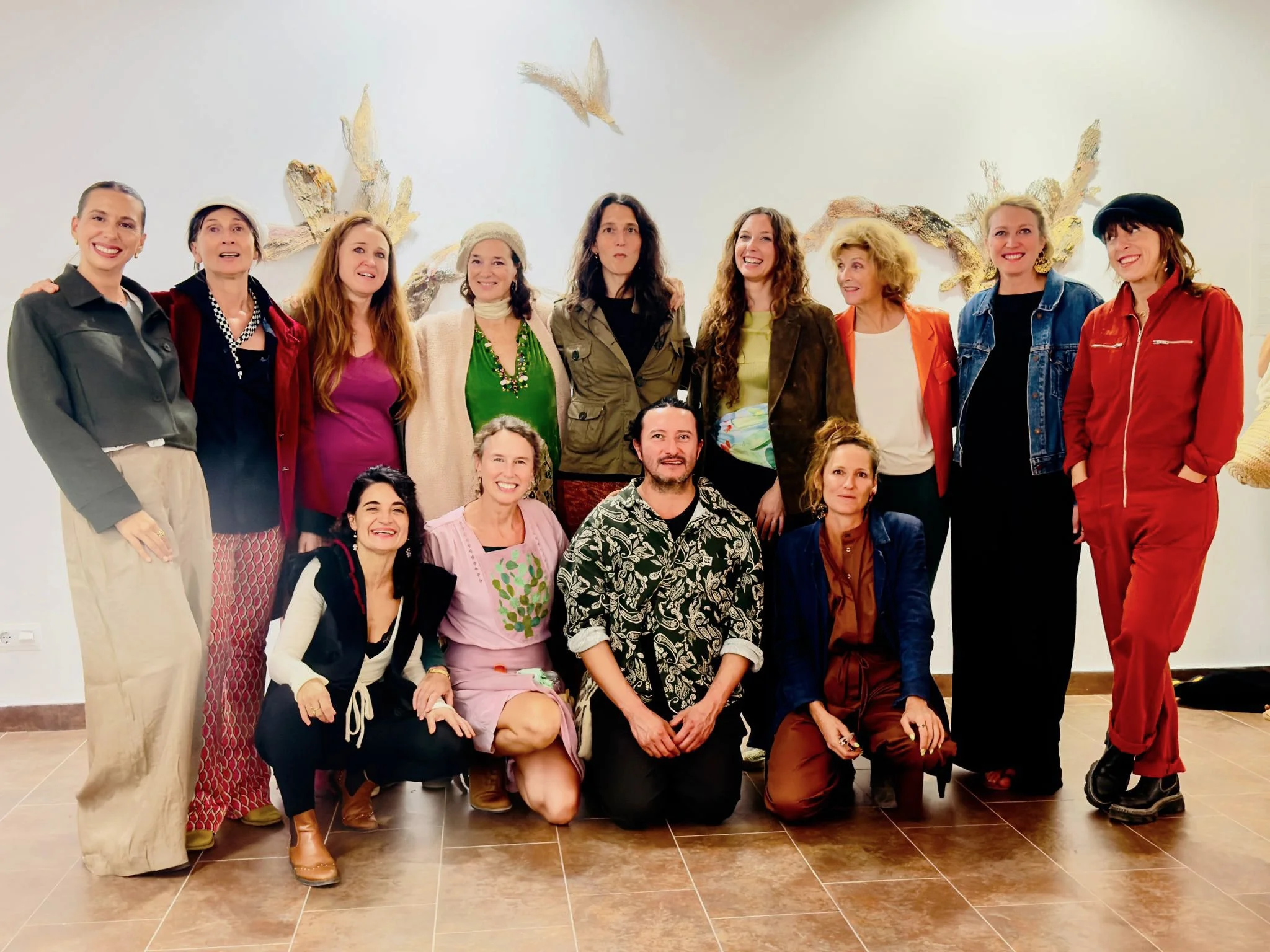
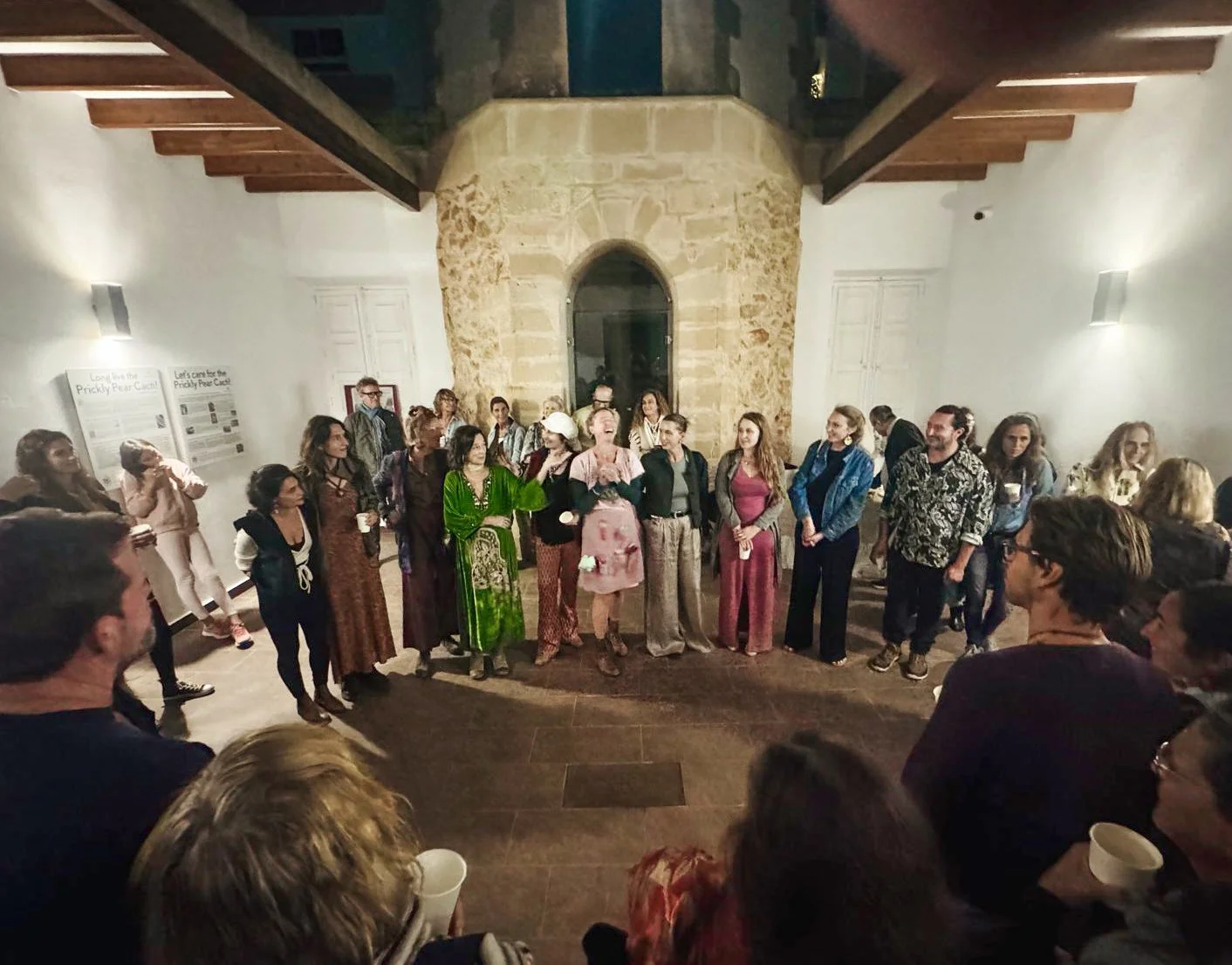
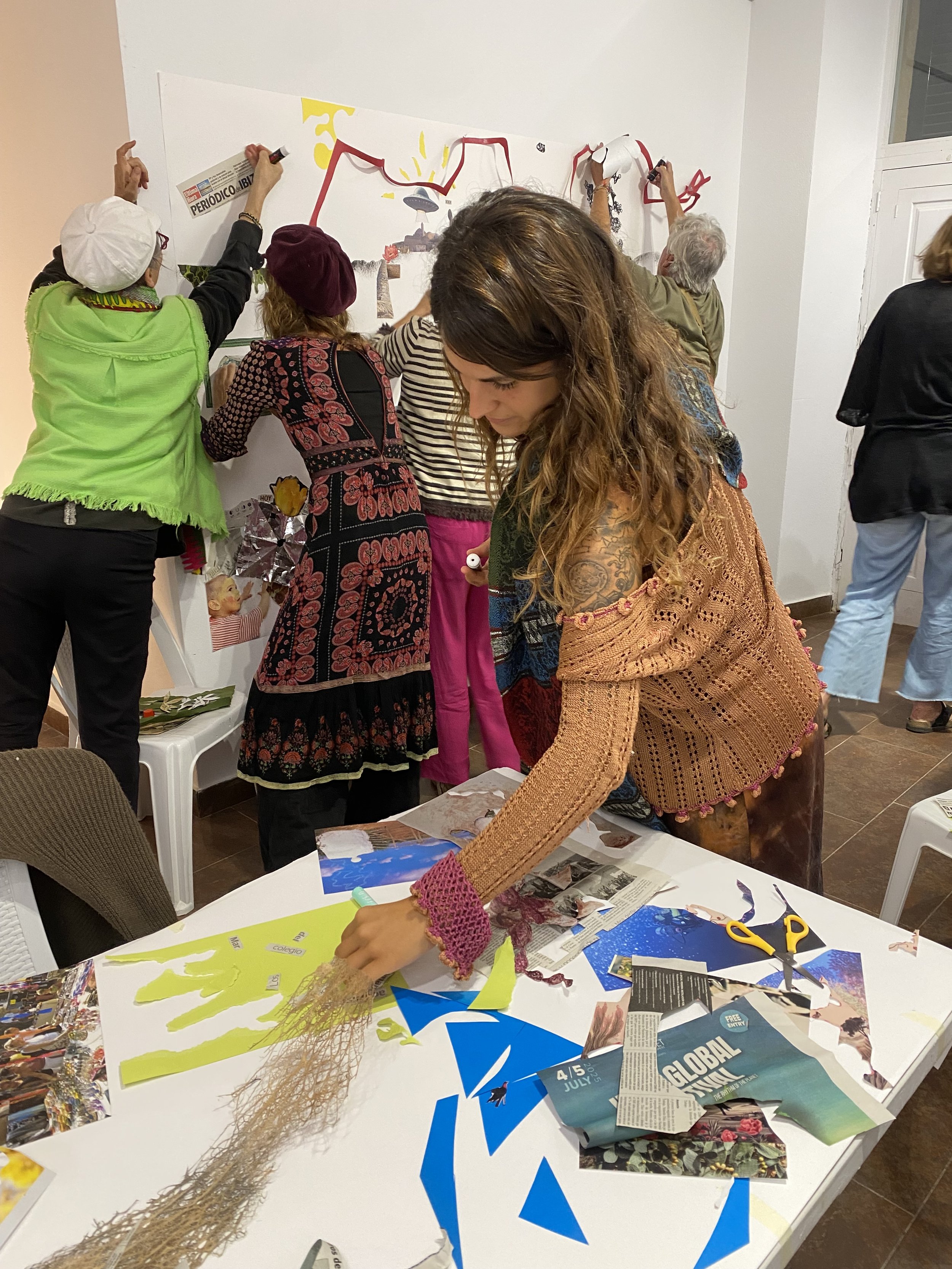
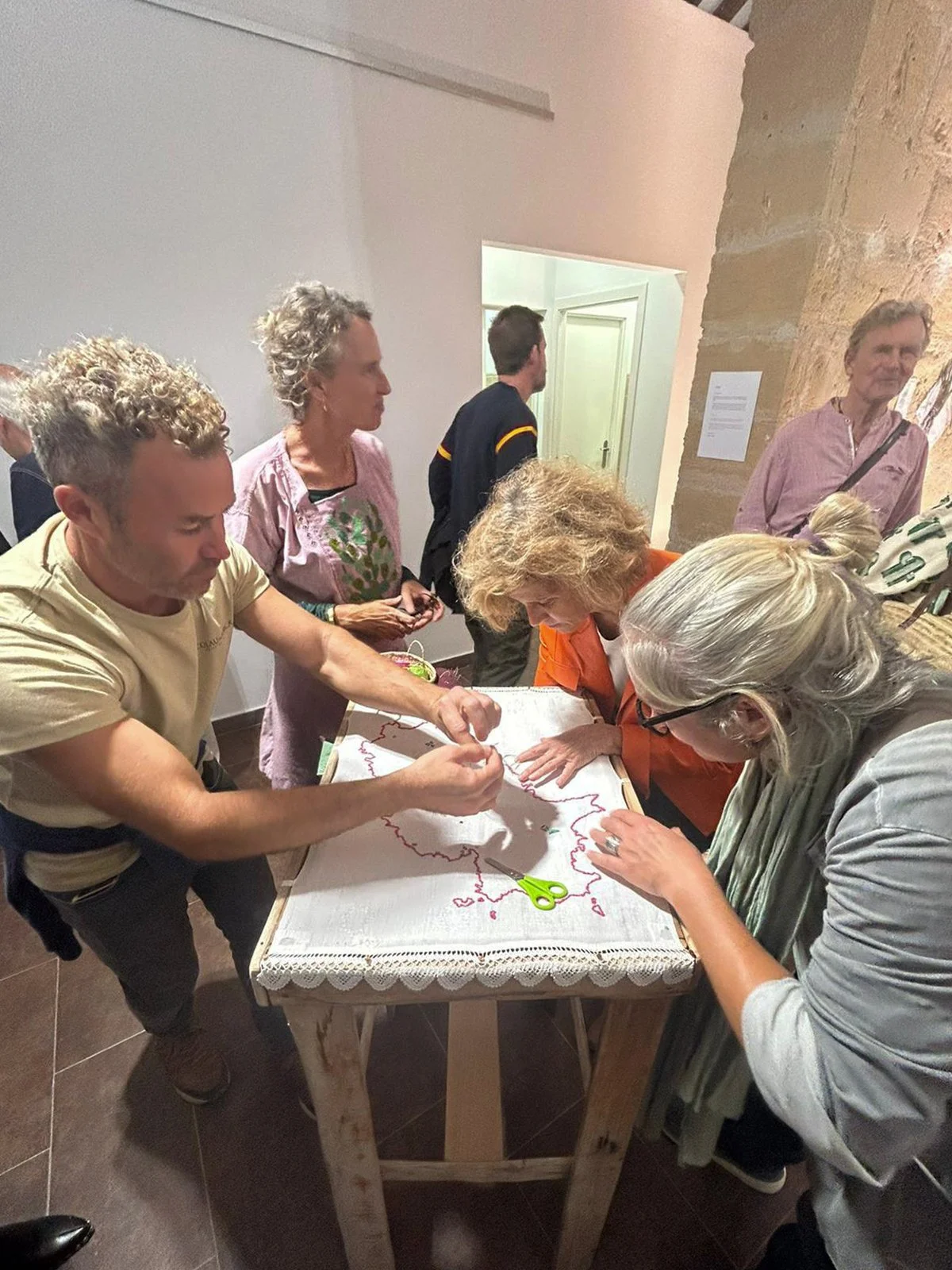
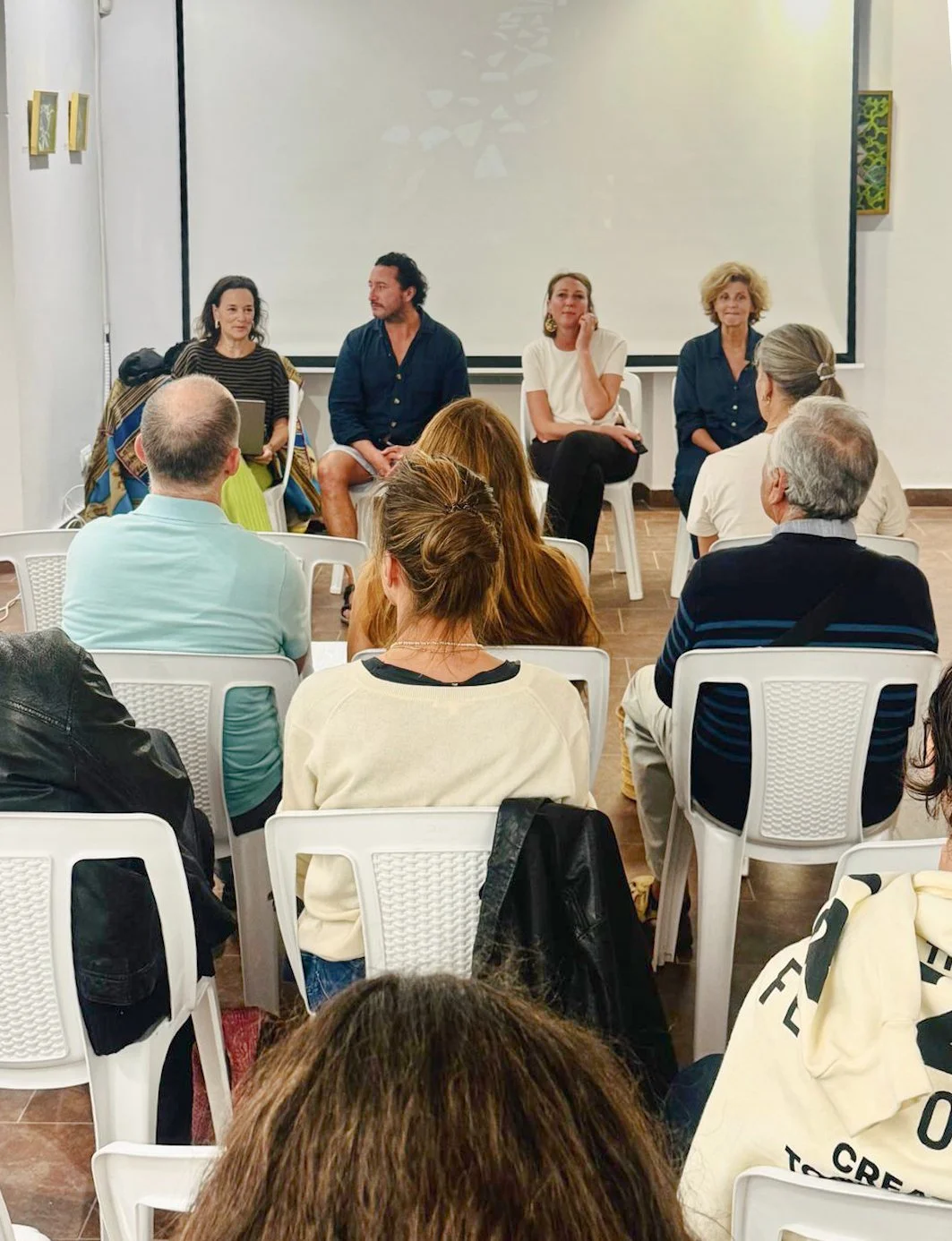
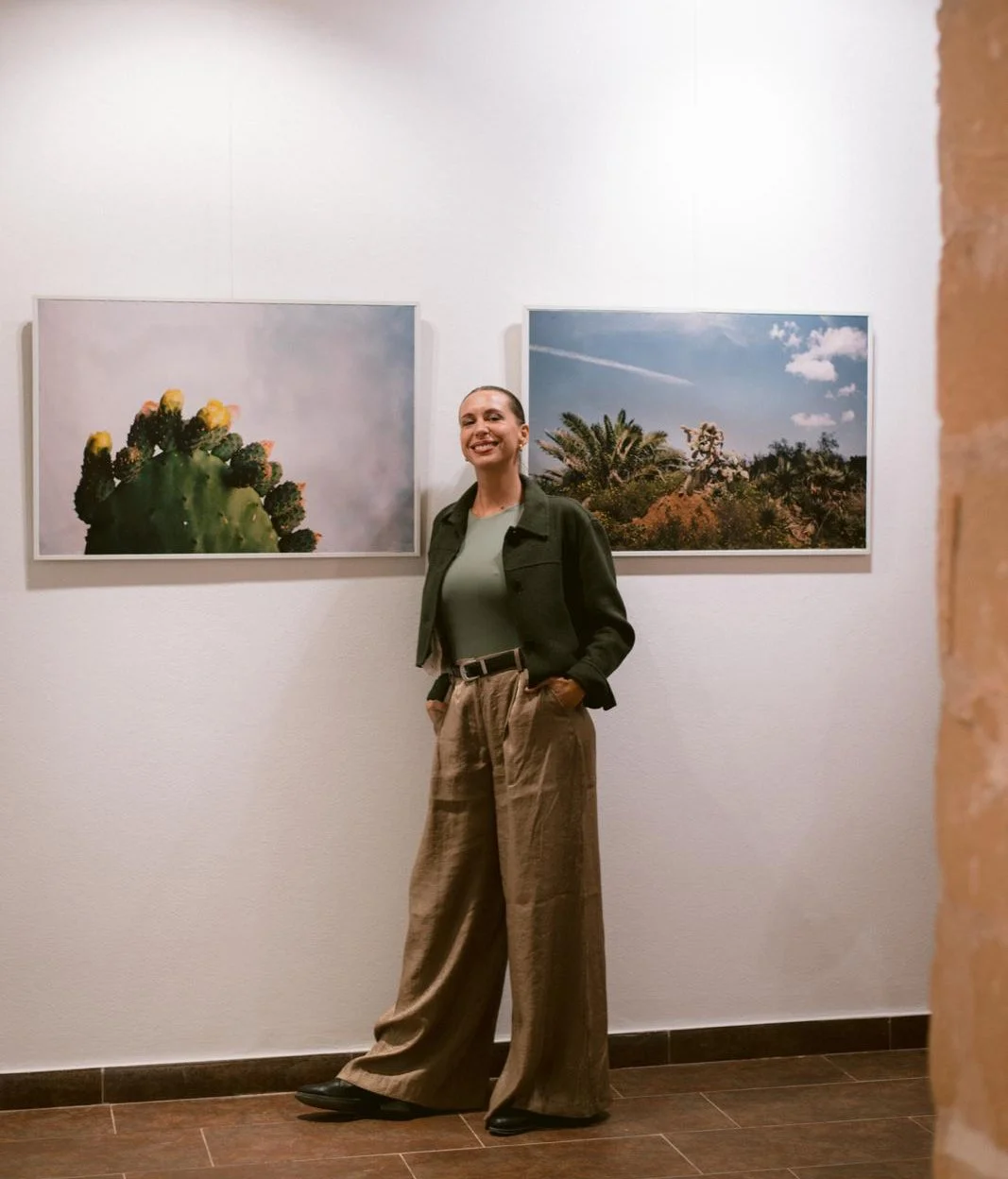
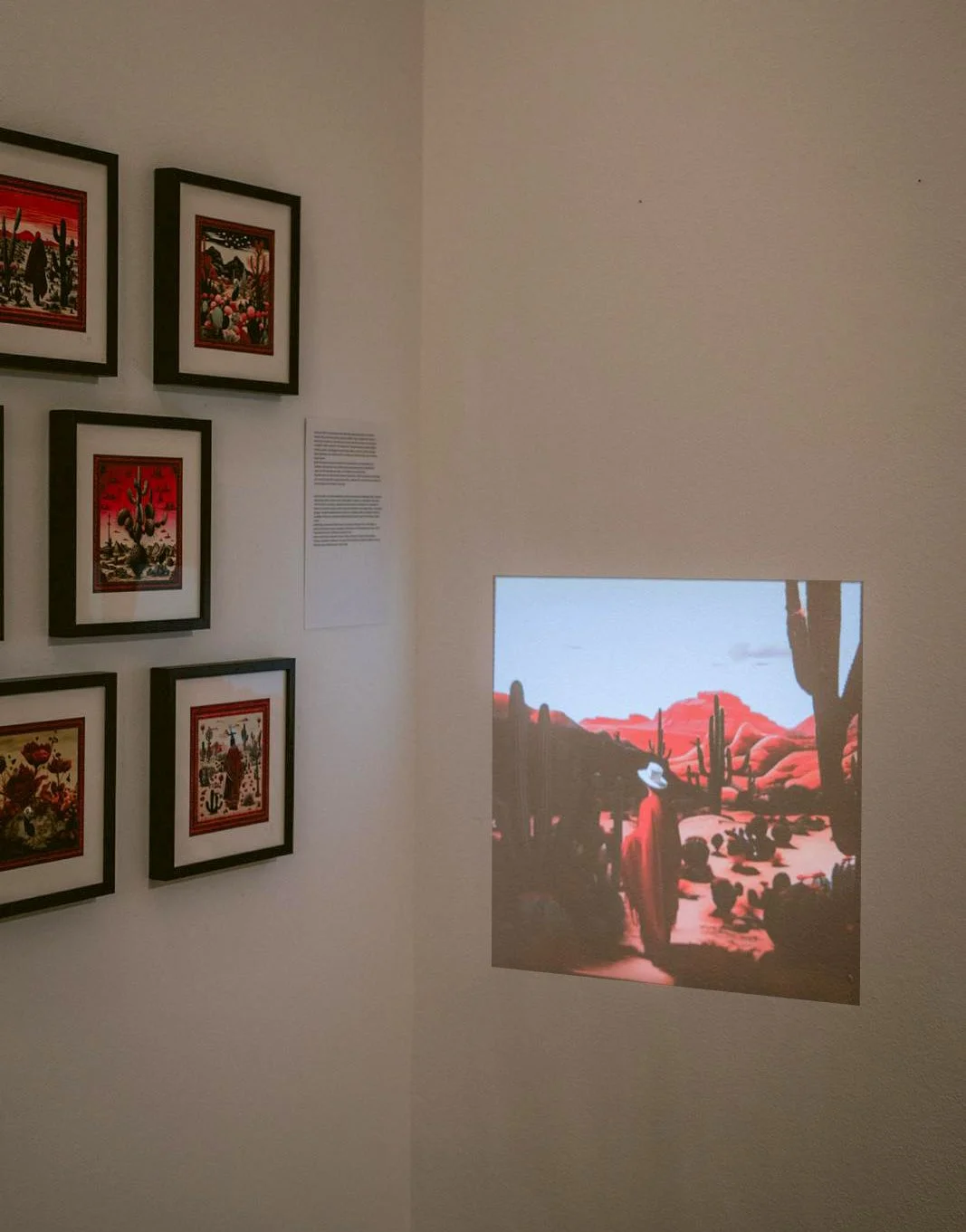
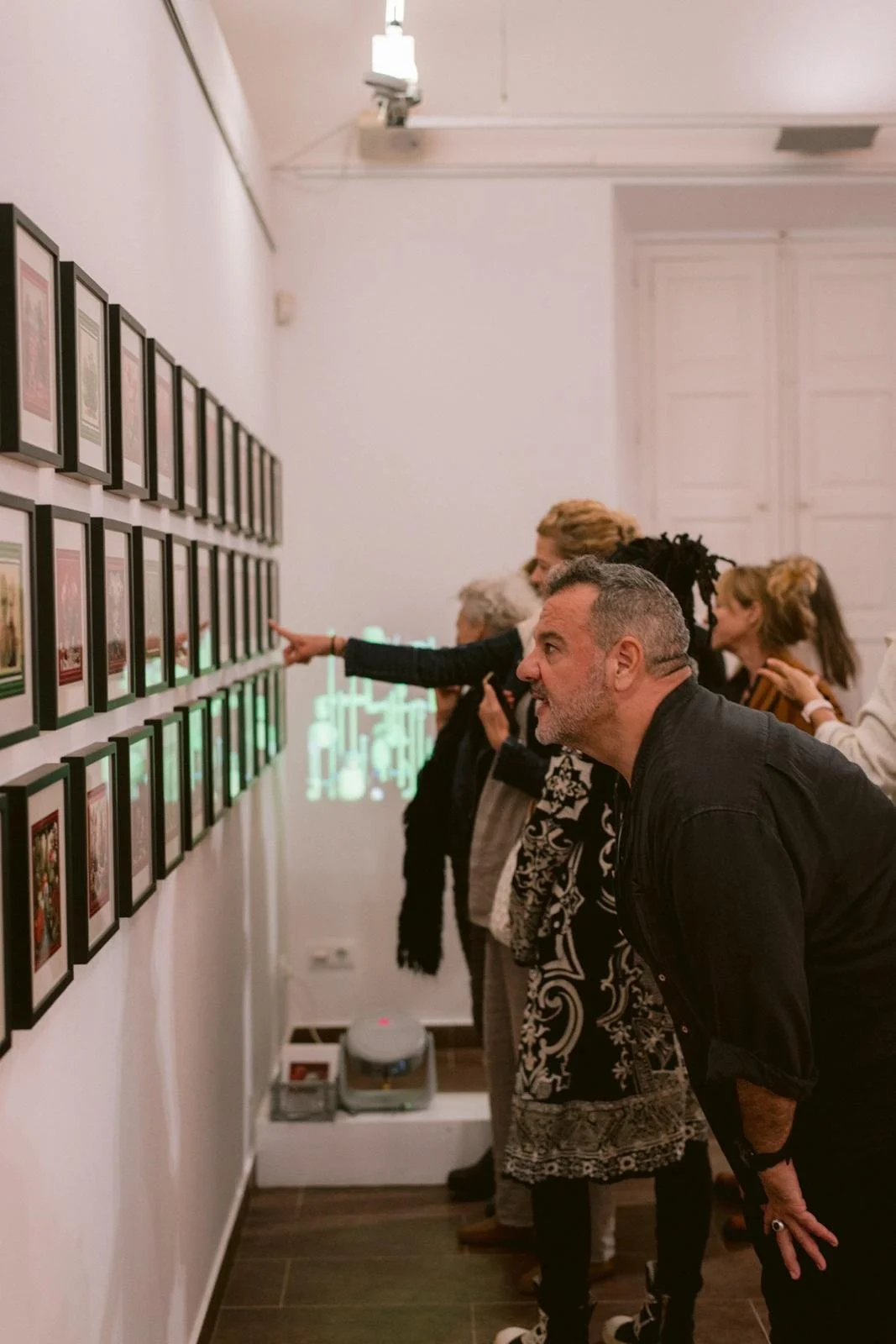

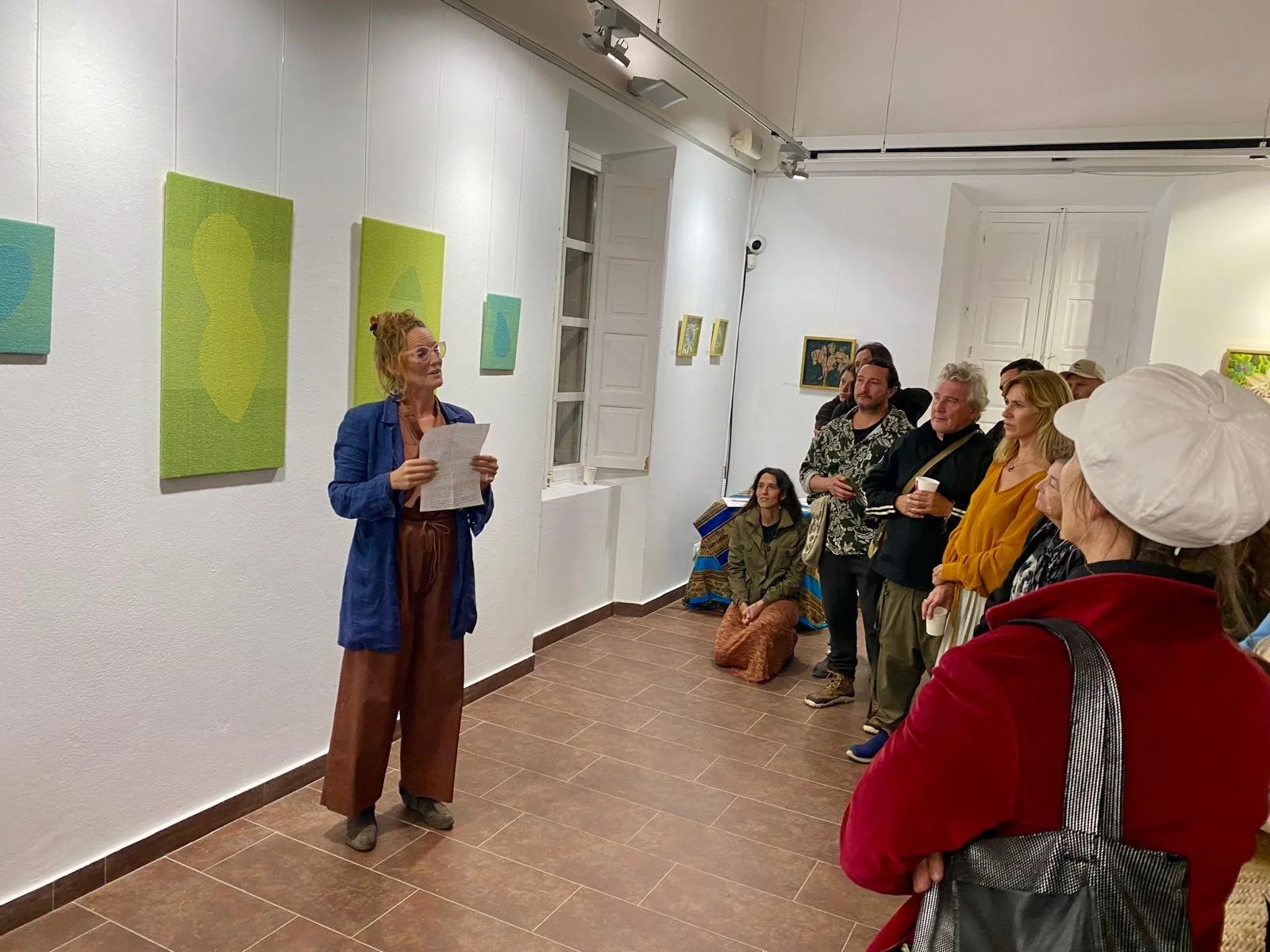
I founded Cochichumbas artist collective in 2022, uniting artists, and activists inspired by the prickly pear, to create, raise awareness, and share solutions about its possible care, since we consider it our landscape, a cultural asset.
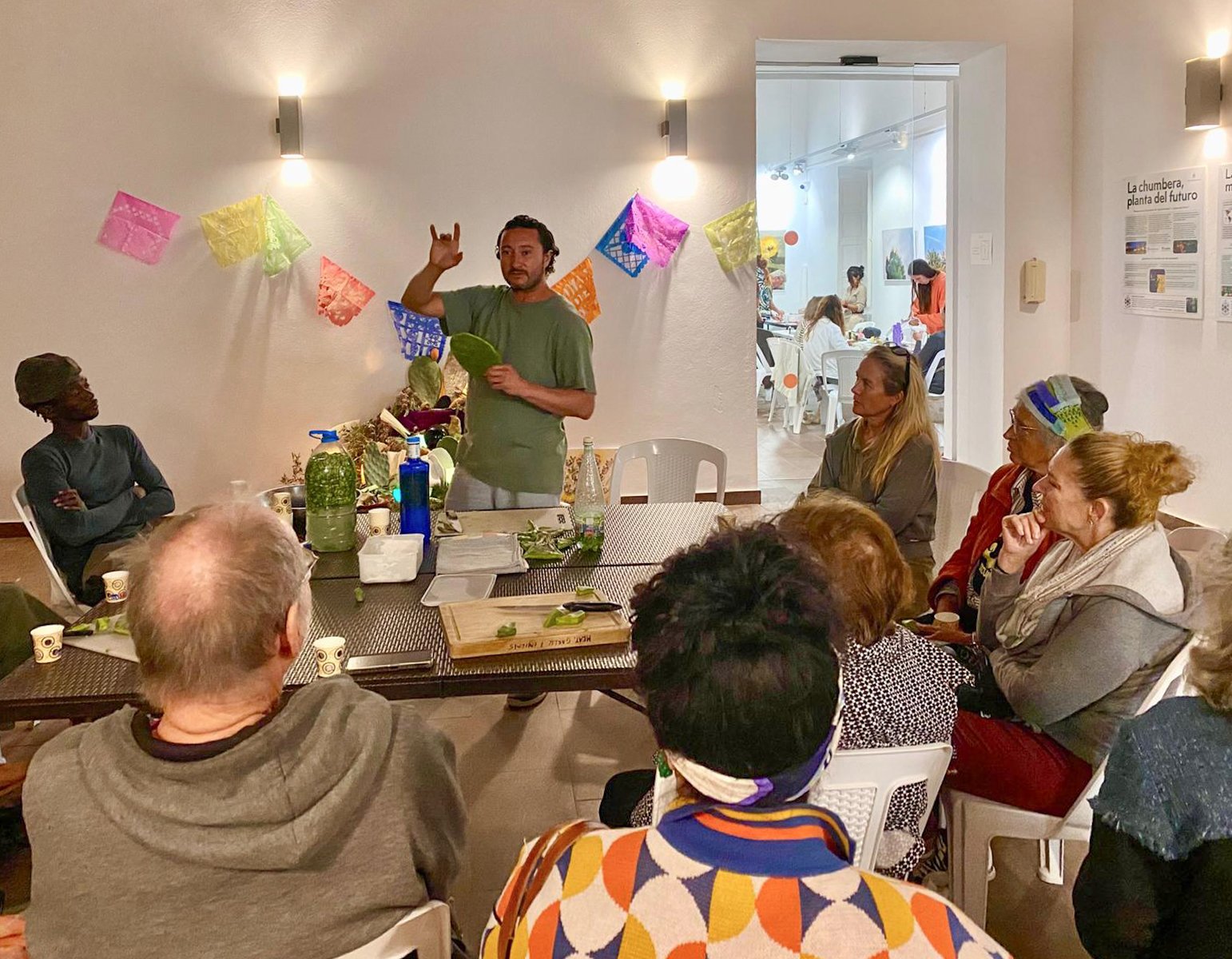
During this investigation we are discovering it’s varied uses such as agricultural, and culinary, and how this plant can be essential to our present and future lives.
We create art, and offer workshops, conversations and demonstrations focused on the endangered Opuntia ficus indica (called nopal in México where it originally comes from), and its relationship with the pest Dactylopius opuntiae, and the dye bug Dactylopius coccus.
Follow us on Instagram for more information: instagram.com/cochichumbas/